



As women age, their hormone levels dip and fluctuate. Starting with pre-menopause and then menopause, let’s be honest — all hell breaks lose in your body! Estrogen, progesterone, and yes even testosterone play vital roles in keeping harmony and balance in women’s health.
Primary care doctors may look at your numbers and tell you they fall “within a normal range,” but what does that even mean? “Normal” is a constantly moving target based on averages, and you know with every fiber in your being when even those “normal” ranges aren”t cutting it for you.
The good news is you don‘t have to accept feeling like your body is fighting against you. Hormone Replacement Therapy can safely and effectively get you back on the road to feeling like a better version of yourself!
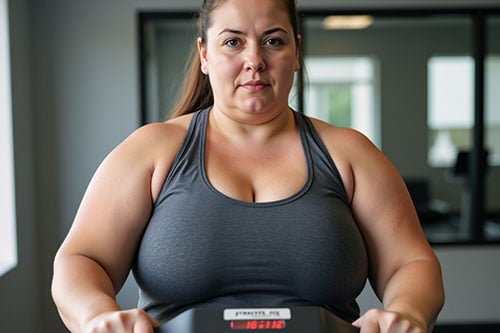
We hear the word ‘normal’ thrown around a lot when talking about hormone levels. Normal is looking at averages, but averages aren’t optimal, and averages don’t often equate to you feeling your best. Blood work is a great place to start and gives us a framework but how you feel is just as important as what the numbers have to say.
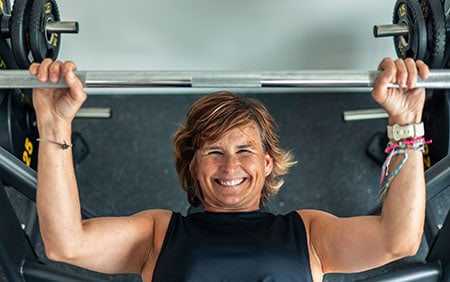
Sometimes the benefits are obvious (good bye night sweats!), and sometimes benefits of hormone replacement therapy for women may be less obvious.

After reviewing your lab results and hearing from you where you want to see improvement, I can put together a plan. I use bio-identical hormones, meaning these hormones chemically are identical to what your body produces but are derived from natural plant sources. HRT comes in a variety of forms — injections, creams, capsules, and pellets. We can look at a combination of these or choose one based on your personal preferences and goals.
It may come as no surprise that Estrogen is vital to women’s health.
Estrogen is a women’s primary sex hormone, produced primarily in the ovaries, and is responsible for a lot more than just your menstrual cycle:
How can balancing your estrogen help?
A drop in estrogen is a key factor during menopause, bringing on all of the unwanted symptoms menopause is much known for including hot flashes, night sweats, and vaginal dryness. I look at ways to restore a healthy balance, alleviating menopause symptoms and helping you feel like yourself again.
You may be thinking, “I thought only men had to worry about testosterone?”
Testosterone, although in higher levels in men, still plays a vital role in women’s overall health. Much like estrogen and progesterone, testosterone is produced primarily in your ovaries. As women age their testosterone levels gradually decrease, but can sharply decrease during menopause.
How can increasing your testosterone help?
Like Estrogen, Progesterone drops significantly with menopause.
And like Estrogen, Progesterone is produced primarily in the ovaries. In a woman’s body, Progesterone is responsible for:
How can balancing your progesterone help?
Balancing Progesterone can help relieve hot flashes and night sweats during menopause. It can also help you naturally reduce anxiety and facilitate restful sleep.